Raw Sewage Cleanup
Sewage cleanup removes Category 3 black water from raw sewage, then disinfects and dries the area.
See raw sewage cleanupGet sewage, wet insulation, contaminated debris, moisture and odor removed from the crawl space beneath your home in Mount Morris. The source should be stopped before cleanup begins.
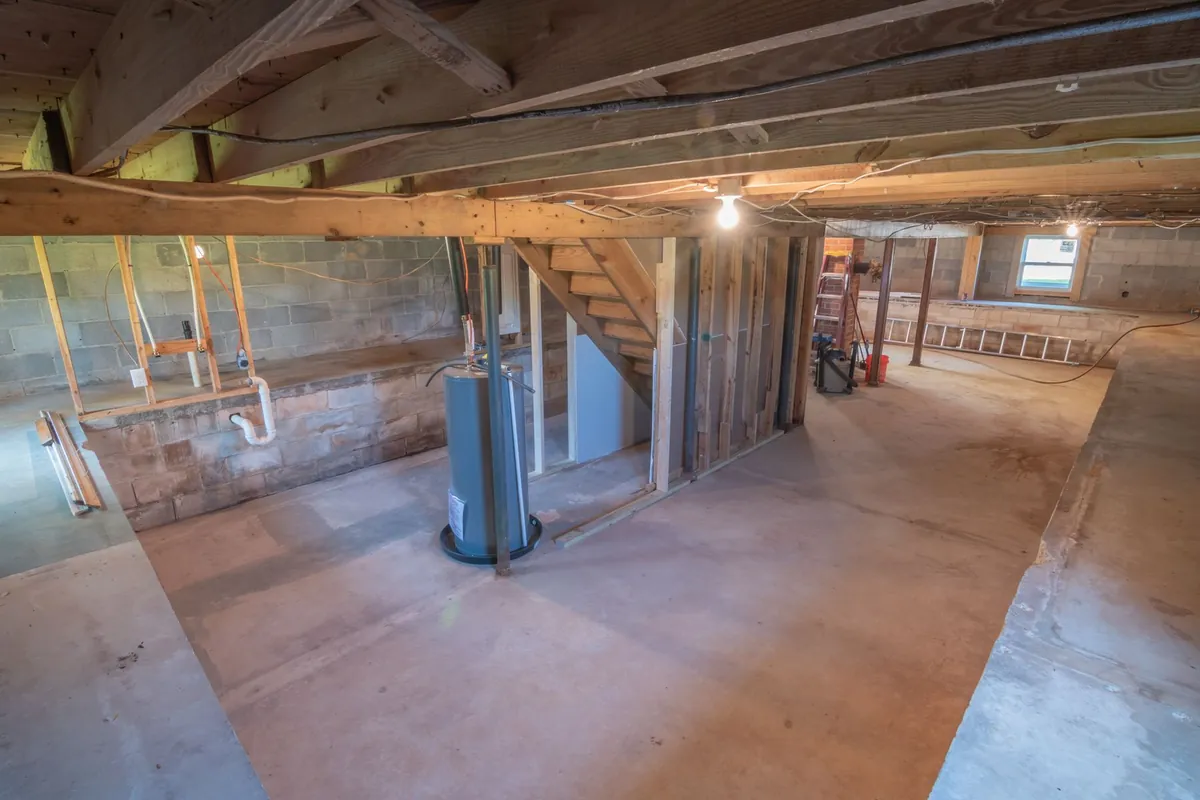
Removing Category 3 black water, sewage solids and contaminated items from beneath a house is crawl space sewage cleanup. Cleaning, disinfection, moisture management and odor treatment follow.
The work begins after the flow has stopped. A plumber may need to repair a broken drain, leaking sewer line or failed ejector pump. If a public sewer problem is suspected, your utility may need to inspect it. Cleanup technicians then find the edges of the affected area, check nearby supports and utilities, and plan safe access through the crawl space.
When sewage spreads below a home, it often affects soil, vapor barrier material, fiberglass insulation, wooden framing, pipes and the surfaces of ducts. Pooled liquid is removed first. Items that cannot be thoroughly cleaned are discarded. An EPA-registered disinfectant is applied to the hard surfaces kept, and it remains for the complete contact period shown on its label. Moisture and air quality are addressed next, before the area can be repaired.
Every step is explained to you from extraction through drying, including removed items and the details that shape cost.
Controls along the access route and work area keep tools, hoses and bagged materials from carrying sewage through your home.
Records of disposal, the cleanup plan, dampness readings and photos support conversations about the loss with property owners and insurance companies.
You can reach someone during the day or overnight, and unmarked vehicles help protect privacy around your property.
Professional cleanup makes sense after sewage gets into a crawl space or saturates material beneath the rooms where you live. Typical situations include:
Fiberglass batts and other porous insulation hold contaminated moisture and usually cannot be cleaned in place.
When a pump, connection or tank fails, waste can collect inside an enclosed space with limited access.
An overwhelmed system or clogged main can force Category 3 water into the lowest section below your house. Stopping the source may need to be followed by professional cleanup services.
When wastewater reaches gravel or loose earth, treating only the surface cannot clear the affected material below.
Protect everyone first, then prevent more wastewater from entering. While waiting for cleanup technicians:
Call (888) 440-9227Published guides contain no dedicated crawl space range. The most relevant guides concern Category 3 cleanup and sewage backups, and they place related jobs between $1,500 and $10,000. Treat those amounts as comparisons rather than a crawl space quote. After an assessment, the actual price reflects access height, contamination size, damp insulation, affected soil, drying and repairs.
These ranges come from published national cost guides, not from a site visit. An on-site assessment determines your property's price, which is explained to you before the cleanup starts.
Ask about cost: (888) 440-9227Coverage is determined by the source of the loss and your policy terms. Sewer or drain backup endorsements may apply, while the policy may exclude floods, groundwater and maintenance-related problems.
Confirm whether drain backup coverage is part of your policy and whether the terms include damaged material, cleanup and your deductible amount.
Keep photos, the plumber's findings, the cleanup scope, removed-material records and receipts for your insurance company.
The property owner may need to pay when the loss is excluded. Learn what cleanup includes, what affects cost and how payment works, then confirm whether separate restoration services are necessary after the space dries.
Renter's insurance and building coverage apply to different types of property. Local requirements, lease language and the source of the problem can affect responsibility.
The cleanup process follows a controlled order so waste does not spread into clean areas. Every situation differs, but the remediation process usually includes these steps:
Before beginning, technicians use safe entry points to assess conditions, locate affected areas, document utilities and take photographs. Every situation needs a cleanup plan based on the areas reached by sewage.
The cleanup involves protecting the access route, separating the work zone and using protective gear suited to Category 3 contamination.
Crews take out sewage solids and standing water with tools designed for hazardous materials and contaminated liquids.
Soaked insulation, torn vapor barriers, cardboard and similar absorbent materials are bagged for proper waste disposal when cleaning is not possible.
Crews deal with polluted debris and soil, then wash residue from framing, plumbing and other surfaces that can be cleaned.
Cleanable surfaces receive an EPA-registered disinfectant that remains wet for the contact time stated on the product label.
Air movement and dehumidification reduce moisture. Crews address smells once wastewater and contaminated materials have been taken out.
The area is checked for remaining debris, visible moisture and odor, and you receive records that help you move forward with insurance or repair planning.
Phone any hour. A specialist in crawl space sewage cleanup takes your call, explains each step and agrees on a start time with you.
Raw sewage falls under Category 3 black water. Direct exposure to it brings the risk of harmful microorganisms and other contaminants, as does carrying sewage into occupied rooms.
Raw sewage can hold parasites, viruses and bacteria. These substances present serious health risks, while limited visibility and cramped access also increase the chance of slips, contact with sharp objects and splashes.
A contained work zone and exit route keep tools, shoes and hoses from spreading waste to personal property, floors or outdoor areas.
Loose waste, cardboard, compromised vapor barriers and soaked insulation may retain sewage that is mixed with bodily fluids. Odor and polluted material can persist when they are not removed.
Can you clean it yourself? Do not enter a cramped crawl space to clean raw sewage yourself. The combination of Category 3 water, limited access, hidden utilities and contaminated porous materials calls for professional cleanup and the right protective equipment. What is left behind after plumbing repairs is addressed by cleanup technicians.
Cleanable, structurally sound materials may stay after soil and residue are removed. Porous items that absorbed sewage are generally taken out.
One to two days may be enough to clean and dry a small spill that is easy to reach. Larger sewage backups can require several days when insulation is wet, soil needs work or access is difficult. Time for structural or plumbing repairs is additional.
| Scene | Typical time on site |
|---|---|
| Small reachable space with little material removal | Often one to two days |
| Larger space requiring vapor barrier and insulation removal | Often two to four days |
| Heavy contamination, soil work or extended drying | Multiple days based on moisture measurements |
Odor removal starts with taking out sewage, residue and porous materials that absorbed it. Fragrance or surface spray cannot correct waste left in soil, wet insulation, damaged duct liner or debris. The source must be removed before deodorizing begins.
Once cleaning is complete, controlled airflow and dehumidification dry the crawl space. During the job, HEPA air scrubbers may reduce airborne particles. Openings, ductwork and adjacent rooms are checked as well, which helps determine whether odor is traveling into the home. If odor continues, the source and moisture need another inspection instead of heavier fragrance.
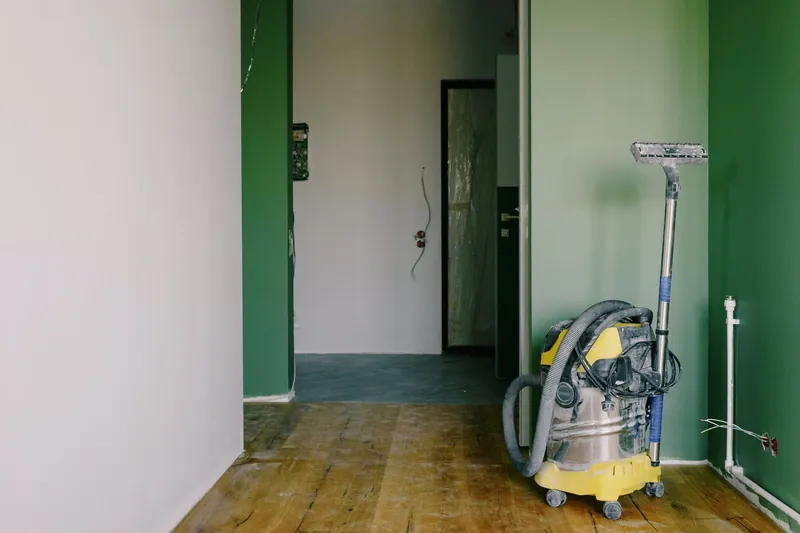
The full crawl space sewage cleanup guide covers what is cleaned or removed, odor and air quality work, and the rules that apply in New York and Livingston County.
Read the full crawl space sewage cleanup guideLocal population patterns, housing and site access may affect how containment and cleanup are planned.
Only 26.5% of homes in Mount Morris are renter occupied, so many cleanup decisions may rest directly with resident owners.
A 1946 median construction year can mean more porous interior materials, so surface cleaning alone may leave an odor source behind.
The 148 seniors living alone may need support from relatives or trusted contacts when a cleanup decision follows a medical emergency.
With 62.3% single-family housing, cleanup plans should fit both private homes and units with common halls, walls, or ventilation.
Ask on the call about cleanup options for neighboring communities and ZIP codes.
Sewage cleanup removes Category 3 black water from raw sewage, then disinfects and dries the area.
See raw sewage cleanup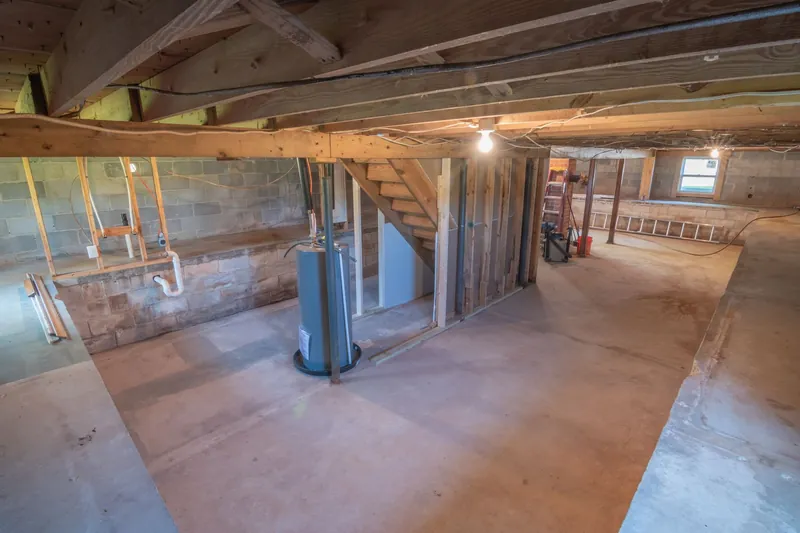
Sewer backup cleanup for basements, floor drains and lower levels.
See sewer backup cleanup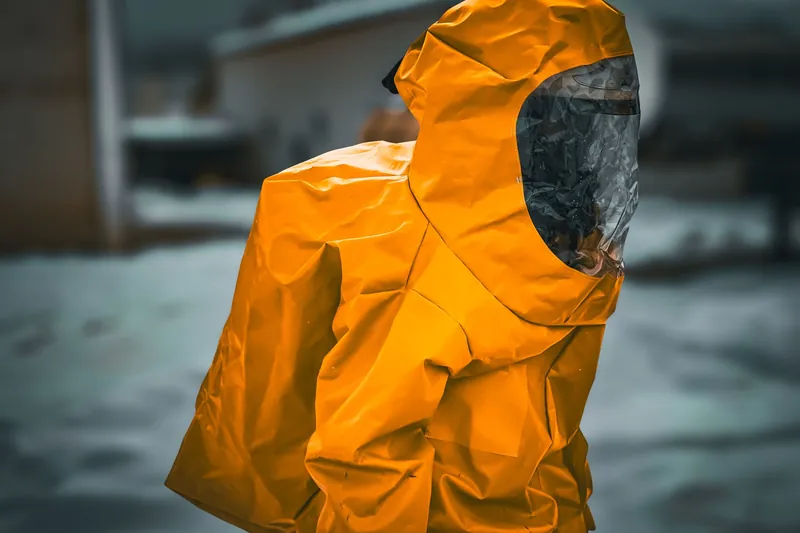
Any property receives disinfection after removal of infectious materials, including bodily fluids and blood.
See biohazard cleanup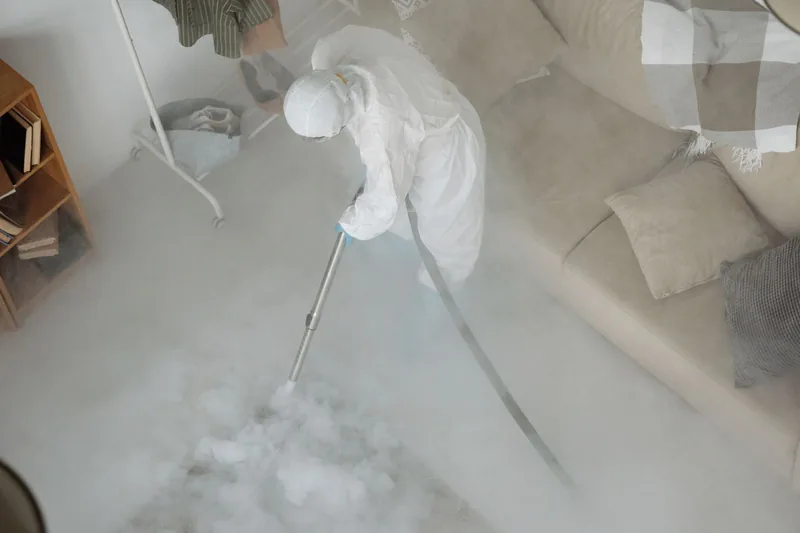
After exposure to infectious or hazardous material, the air, room and surfaces are fully decontaminated.
See biohazard decontamination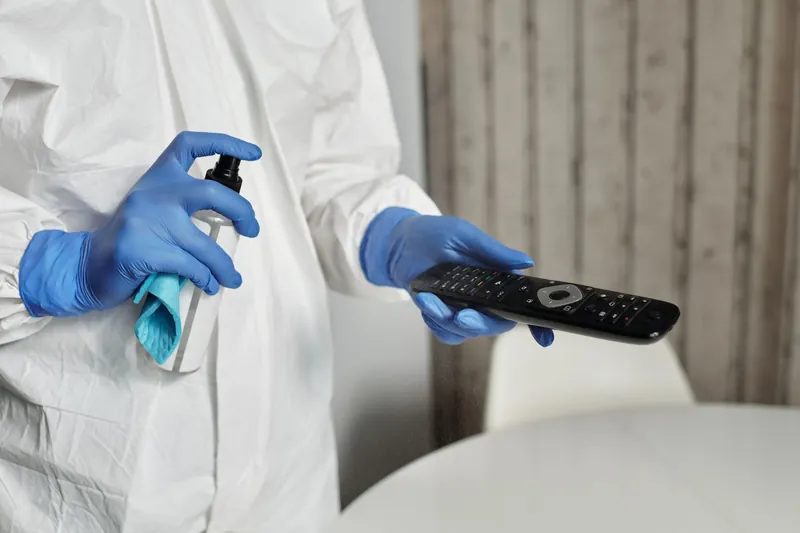
A contaminated space is restored to safe use through biological remediation and contaminant removal.
See biohazard remediation
Hazmat cleanup uses the appropriate protective equipment for hazardous materials.
See hazmat cleanup
Biohazard waste is collected in labeled, sealed containers and taken for disposal.
See biohazard waste disposal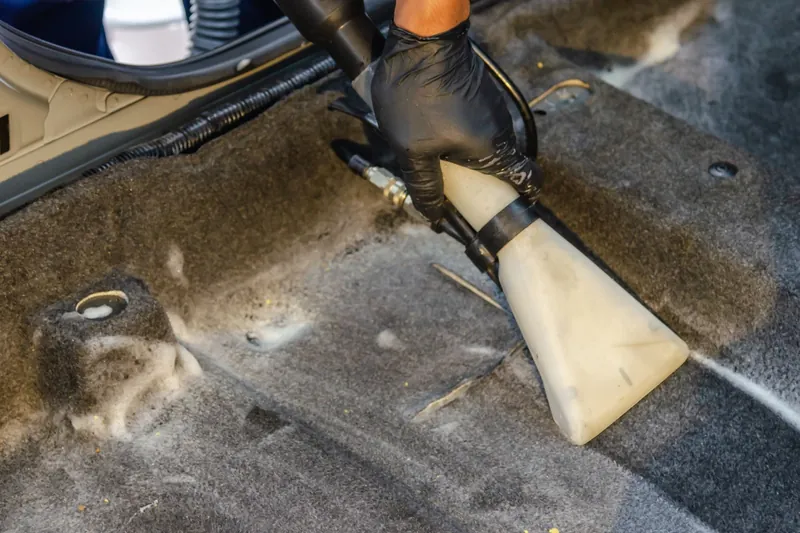
Biohazards are cleaned from carpets and upholstery, or affected materials are removed safely when needed.
See biohazard carpet and upholstery cleaningCrews choose an approach based on where wastewater and solid material went. The first step extracts standing wastewater and removes debris. They then address visibly affected loose soil and clean nearby supports and utilities. Sewage below loose material or gathered in low points requires more than surface spraying.
It can be covered depending on what happened and the protection in your policy. An endorsement is often necessary for sewer or drain backup protection. Maintenance failures, groundwater and floods may be excluded. Contact your insurer about the loss, confirm your deductible, and retain photos, plumbing findings, moisture notes, receipts and the cleanup scope.
Confirm that the cleaning service works beneath homes in confined areas, removes damp insulation and addresses contaminated earth. Confirm that extraction, physical cleaning and drying are included, along with disposal records and use of an EPA-registered disinfectant. Tell the company about crawl space height, the affected area, progress on plumbing repairs and smells entering your home.
Clearing a blockage or repairing the affected drain, sewer line, fixture or pump is how a plumber typically stops the source. Sewage cleanup is a different cleaning process from plumbing work. It includes extraction, contaminated material removal, surface cleaning, disinfection, drying, odor removal and waste disposal. Ask each company exactly which part of the work it will perform.
Restrict access, use as little home water as possible and avoid touching both pooled wastewater and any electrical devices around it. For a problem in a private pipe or drain, ask a plumber to stop it. If sewage may come from the public system, call your utility. Afterward, schedule professional cleanup for wastewater, contaminated materials, dampness and smells.
Sewage-soaked insulation usually must come out since absorbent material cannot be fully cleaned with reliable results. Contaminated textiles, cardboard and compromised duct lining raise the same cleaning problem. Intact masonry, framing and outer pipe surfaces can remain if crews remove the residue, disinfect them correctly and dry them completely.
Discreet, respectful crawl space sewage cleanup, 24 hours a day, with crews in unmarked vehicles.